How Wash Techniques Extend the Life of Your Ceramic Coating in Brandon in Ceramic Coating Brandon, FL
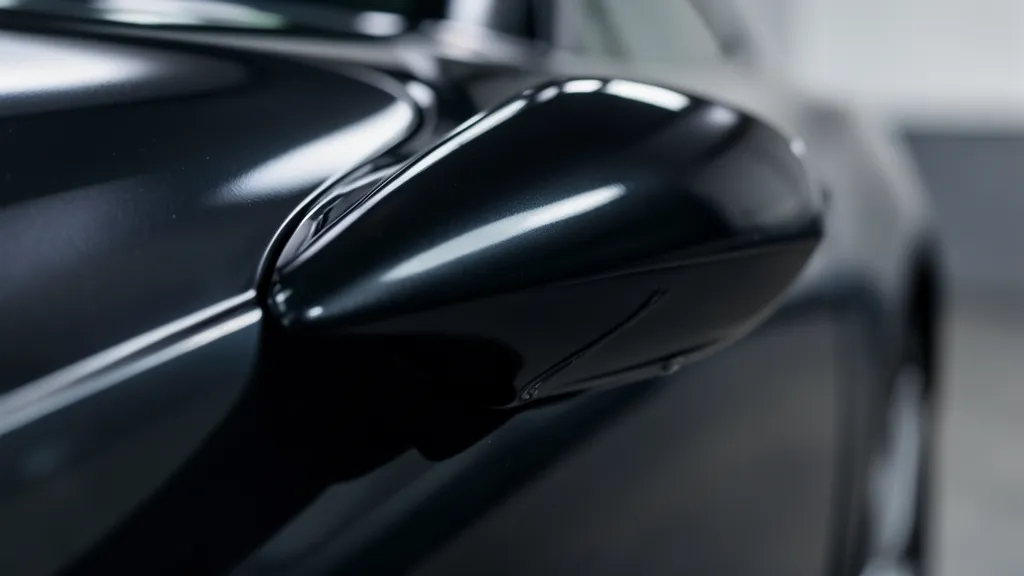
A ceramic coating is only as good as the care it receives. In Brandon’s humid, sunny climate, improper washing can degrade the coating faster than the elements themselves. We’ll show you how the right techniques preserve hydrophobic properties and keep your finish flawless for years.
Why Wash Technique Matters for Ceramic Coatings
Ceramic coatings bond chemically to your paint, but they’re not invincible. Abrasive tools or harsh chemicals strip away the hydrophobic layer, reducing water beading and self-cleaning ability.
Brandon’s frequent rain and pollen mean contaminants cling tighter. Poor washing etches these into the coating, dulling the gloss and compromising protection over time.
The Two-Bucket Method: Non-Negotiable for Coated Cars
Use one bucket for soapy water and another for rinsing your mitt. This prevents picking up dirt from the wash media and scratching the coating.
Add grit guards to both buckets to trap particles at the bottom. Even a single grain of sand can create micro-scratches that dull a ceramic-coated surface.
Replace your wash mitt every 6-12 months. Microfibers break down, holding more grit and increasing the risk of marring.
Soap Matters: pH-Neutral or Coating-Safe Only
Household detergents or dish soaps have high pH levels that strip ceramic coatings. Always use a pH-neutral car shampoo designed for coated or sealed surfaces.
In Brandon’s hard water areas, a coating-safe soap also helps prevent mineral deposits that leave stubborn water spots.
Pressure Washers and Foam Cannons: Do’s and Don’ts
A foam cannon pre-soaks the vehicle, loosening contaminants before contact. This reduces friction during the wash, preserving the coating’s integrity.
Keep pressure washers below 2,000 PSI and use a 40-degree nozzle. Higher pressure or narrow streams can lift edges of ceramic coatings, especially near trim or emblems.
Brush-style car washes use abrasive materials that scratch ceramic coatings. Touchless washes are safer but still risk chemical damage from strong detergents.
Drying: The Step Most People Get Wrong
Air drying leaves water spots that etch into the coating. Always dry with a clean, plush microfiber towel, using a blower for crevices and emblems.
In Brandon’s humidity, drying quickly prevents mineral buildup. Pat dry—don’t drag the towel—to avoid creating swirl marks.
Wash Frequency for Brandon’s Climate
We recommend washing every 1-2 weeks. Pollen, dust, and bug splatter are acidic and can etch the coating if left too long.
After heavy rain or construction dust, rinse immediately. The longer contaminants sit, the harder they are to remove without damaging the coating.
Decontamination: When a Regular Wash Isn’t Enough
Even with proper washing, embedded contaminants like iron particles or tar require deeper cleaning. Use a clay bar or iron remover every 3-6 months to keep the coating smooth.
For wheels and brake calipers—common trouble spots—use a dedicated wheel cleaner that’s safe for ceramic coatings. Brandon’s stop-and-go traffic means brake dust builds up fast.
Ceramic Coating vs. Wax: How Washing Differs
Unlike wax, ceramic coatings don’t require reapplication after every wash. But they do demand gentler techniques to maintain their lifespan.
Waxed cars can tolerate slightly more aggressive washing, but ceramic coatings need meticulous care to preserve their 2-5 year (or longer) durability.
| Factor | Ceramic Coating | Traditional Wax |
|---|---|---|
| Soap Type | pH-neutral, coating-safe | Any car shampoo |
| Wash Frequency | Every 1-2 weeks | Every 2-4 weeks |
| Drying Method | Microfiber towel + blower | Any clean towel |
| Decontamination | Clay bar/iron remover 2-3x/year | Optional |
| Abrasive Risk | High (easily scratched) | Moderate |
| Longevity Impact | Critical to lifespan | Minimal |
How to Wash a Ceramic-Coated Car in 5 Steps
Follow this process to clean your vehicle without damaging the coating.
- 1Pre-Rinse
Use a pressure washer or hose with a foam cannon to remove loose dirt. Start from the top and work downward.
- 2Two-Bucket Wash
Wash one panel at a time using the two-bucket method. Use a high-quality wash mitt and grit guards.
- 3Wheel and Tire Cleaning
Clean wheels and tires first with a dedicated, coating-safe cleaner. Use separate mitts for wheels and paint.
- 4Rinse Thoroughly
Rinse all soap residue completely, especially from crevices and emblems where water spots form.
- 5Dry Immediately
Use a plush microfiber towel to pat dry, then use a blower for hard-to-reach areas. Never let the car air dry.
Frequently Asked Questions
Can I use a leaf blower to dry my ceramic-coated car in Brandon?
Yes, a leaf blower on a cool setting is excellent for drying crevices and preventing water spots. Just ensure it’s clean and free of debris that could scratch the coating.
How often should I use a clay bar on my ceramic coating?
Every 3-6 months, or when you feel roughness after washing. Clay bars remove embedded contaminants that regular washing can’t, but overuse can wear the coating prematurely.
Is it safe to pressure wash a ceramic-coated car?
Yes, but keep the pressure below 2,000 PSI and use a 40-degree nozzle. Avoid directing the stream at edges or trim, where the coating may be thinner.
What’s a good soap for ceramic coating maintenance in Florida’s humidity?
Use a pH-neutral car shampoo specifically formulated for ceramic coatings, like those from Gyeon, CarPro, or Chemical Guys. These soaps clean without stripping the hydrophobic layer.
Does ceramic coating eliminate the need for wax or sealants?
Yes, ceramic coatings provide far superior and longer-lasting protection than wax or sealants. However, you can apply a ceramic boost spray every few months to enhance hydrophobicity.
Can I wash my ceramic-coated car in direct sunlight?
Avoid washing in direct sunlight. The heat causes water and soap to dry too quickly, leading to streaks and water spots that are harder to remove.