Graphene Coatings vs. Ceramic Coating in Brandon, FL: What You Need to Know
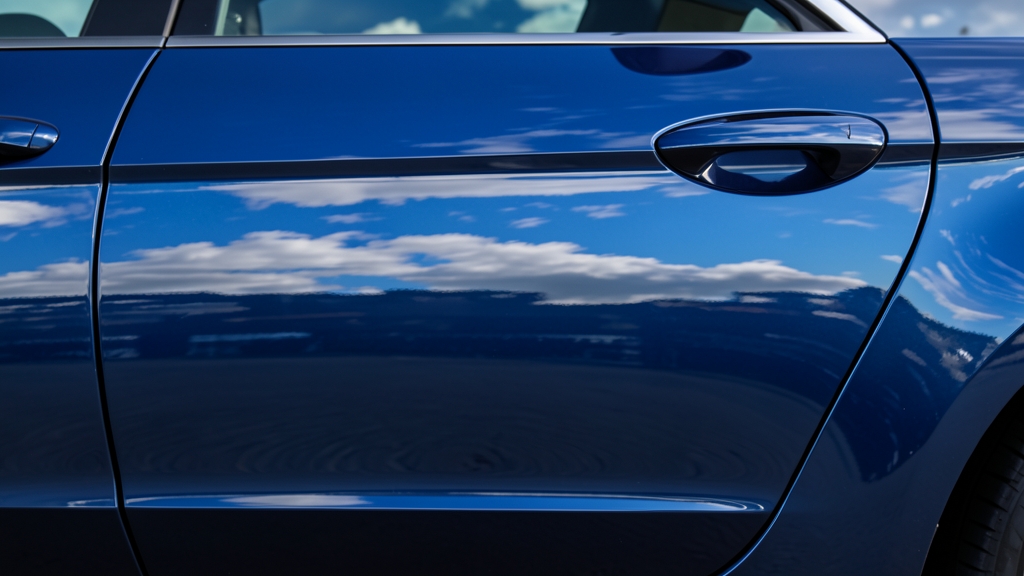
Graphene and ceramic coatings both elevate your vehicle’s protection, but they’re not the same. In Brandon’s humid, sun-drenched climate, choosing the right one can mean the difference between long-term shine and premature wear. We break down the real differences so you can decide with confidence.
What Are Graphene and Ceramic Coatings?
Ceramic coatings are liquid polymers, typically silicon dioxide (SiO2) or titanium dioxide-based, that chemically bond to your vehicle’s clear coat. Once cured, they form a hydrophobic, glass-like layer that resists UV rays, contaminants, and minor scratches.
Graphene coatings incorporate graphene oxide, a carbon-based nanomaterial, into the ceramic matrix. This enhances thermal conductivity, hardness, and self-healing properties while maintaining the hydrophobic benefits of traditional ceramics.
Durability: How Long Do They Last?
High-quality ceramic coatings last 2 to 5 years with proper maintenance. In Brandon’s intense sun and frequent rain, reapplication may be needed sooner if the vehicle isn’t garaged or regularly washed.
Graphene coatings often outlast traditional ceramics by 1 to 2 years, thanks to their superior resistance to oxidation and environmental stressors. For daily-driven vehicles in areas like Valrico or Riverview, this can be a game-changer.
Hydrophobic Performance and Self-Cleaning
Both coatings repel water, but graphene’s molecular structure creates a tighter water bead angle. This means water—and the dirt it carries—slides off more aggressively, reducing water spots and swirl marks.
In Brandon’s frequent afternoon downpours, this can cut your washing time in half. Ceramic coatings still perform well, but may require more frequent reapplication of topping sprays to maintain peak hydrophobicity.
After rain, use a blower to dry your vehicle. Even with graphene, mineral deposits from hard water can leave spots if left to air-dry.
Scratch and Chemical Resistance
Ceramic coatings provide a 9H hardness rating, protecting against light scratches from car washes or road debris. However, they’re not invincible—deep scratches or bird droppings (common in Tampa’s urban areas) can still etch the clear coat if not removed quickly.
Graphene coatings add an extra layer of scratch resistance due to their cross-linked carbon structure. They also handle chemical contaminants like gas, tar, or bug splatter better, which is critical for vehicles in Seffner or Bloomingdale where rural roads are common.
Heat and UV Protection in Brandon’s Climate
Florida’s UV index is brutal year-round. Ceramic coatings block up to 99% of UV rays, preventing paint oxidation and fading. But graphene goes further—its thermal conductivity helps dissipate heat, reducing the risk of paint blistering on dark-colored vehicles.
For fleet or commercial vehicles parked outdoors in Brandon, graphene can extend the life of wraps or PPF by reducing heat buildup beneath the surface.
Not all graphene coatings are equal. Some budget brands use minimal graphene content, offering little advantage over standard ceramics. Always ask for product specs.
Gloss and Aesthetic Enhancement
Ceramic coatings deepen paint gloss by filling microscopic imperfections in the clear coat. The result is a mirror-like finish that makes even older vehicles look showroom-fresh. This is why many clients pair coatings with paint correction in Valrico or Riverview.
Graphene coatings take this a step further. Their reflective properties can enhance metallic or pearlescent paints, giving a wetter, more three-dimensional look. For luxury or classic cars, the difference is noticeable under direct sunlight.
Cost Factors: What Drives the Price?
Ceramic coating costs vary based on vehicle size, paint condition, and the number of layers applied. A full-vehicle ceramic coating in Brandon may require paint correction first, adding to the investment.
Graphene coatings are generally 20–40% more expensive due to the advanced nanomaterials. However, their longer lifespan and superior protection can offset the upfront cost. For exact figures, request a quote—factors like PPF installation or wheel caliper coating will also play a role.
Fleet or commercial vehicles often see better ROI with graphene, as reduced maintenance and downtime justify the higher initial price.
| Feature | Ceramic Coating | Graphene Coating |
|---|---|---|
| Base Material | SiO2 or TiO2 | Graphene Oxide + Ceramic Matrix |
| Lifespan | 2–5 years | 3–7 years |
| Hydrophobicity | High (110°–120° contact angle) | Extreme (120°–150° contact angle) |
| Scratch Resistance | 9H Hardness | 9H+ Hardness (Enhanced) |
| UV Protection | 99% Block | 99% Block + Heat Dissipation |
| Self-Healing | None (without additives) | Minor (surface marring) |
| Cost Factor | Moderate | Higher (material-driven) |
Which Is Right for Your Vehicle?
Choose ceramic coatings if you want proven, cost-effective protection with excellent gloss and durability. Ideal for daily drivers or vehicles in moderate conditions, like those in Bloomingdale or Seffner.
Opt for graphene if you prioritize longevity, superior scratch resistance, and heat management—especially for high-end, dark-colored, or frequently exposed vehicles. Many Tampa clients upgrading to graphene also add ceramic window tint for full protection.
Signs You Need a Coating Upgrade
- Paint feels rough or looks dull after washing
- Water no longer beads on the surface
- Visible swirl marks or oxidation
- Fading or discoloration on horizontal surfaces
- Frequent bird dropping or sap stains
How to Maintain Your Coating in Brandon’s Climate
Proper care extends the life of both graphene and ceramic coatings, especially in Florida’s harsh conditions.
- 1Wash Regularly
Use a pH-neutral car shampoo and a microfiber wash mitt to avoid scratching. Wash every 1–2 weeks to prevent contaminant buildup from pollen or road grime.
- 2Dry Thoroughly
After washing, dry with a clean microfiber towel or a blower to prevent water spots. This is critical in Brandon’s hard water areas.
- 3Use Topping Sprays
Apply a ceramic or graphene topping spray every 3–6 months to refresh hydrophobicity and gloss. These are especially useful after heavy rain seasons.
- 4Avoid Automatic Car Washes
Brushes can introduce micro-scratches. Stick to touchless washes or hand-washing to preserve your coating’s integrity.
- 5Address Contaminants Immediately
Bird droppings, bug splatter, and tree sap can etch paint if left too long. Remove them with a detailer spray and a microfiber cloth as soon as possible.
- 6Store Indoors When Possible
Parking in a garage or under a carport in Brandon reduces UV and heat exposure, prolonging your coating’s lifespan.
Frequently Asked Questions
Is graphene coating worth the extra cost in Brandon, FL?
For most drivers, yes—if you plan to keep your vehicle long-term. Graphene’s superior heat resistance and longevity justify the investment, especially in Florida’s climate. However, if you lease or trade in frequently, a high-quality ceramic coating may suffice.
Can I apply graphene coating over an existing ceramic coating?
It’s not recommended. Graphene coatings bond best to bare clear coat. If your ceramic coating is failing, we’d remove it via paint correction before applying graphene to ensure maximum adhesion and performance.
How do these coatings compare to paint protection film (PPF)?
PPF offers physical protection against rock chips and deep scratches, while ceramic and graphene coatings provide chemical resistance and gloss. Many Brandon clients combine both: PPF on high-impact areas (like the hood and bumper) with a graphene coating over the entire vehicle for ultimate protection.
Will a ceramic or graphene coating prevent all scratches?
No coating is scratch-proof. They resist light scratches and swirl marks, but deep scratches from keys, rocks, or accidents will still damage the paint. For full scratch protection, consider pairing with PPF.
Do these coatings work on matte or satin paint finishes?
Yes, but the products must be specially formulated for non-glossy surfaces. Standard ceramic or graphene coatings can create unwanted gloss on matte paint. We use matte-specific coatings to preserve the factory finish.
How often should I reapply a ceramic or graphene coating in Brandon?
Ceramic coatings typically need reapplication every 2–3 years in Florida’s climate, while graphene can last 4–5 years with proper care. Factors like sun exposure, washing habits, and whether you use topping sprays will influence longevity.