Ceramic Coating in Brandon: The Gloss and Depth That Wax Can’t Match in Ceramic Coating Brandon, FL
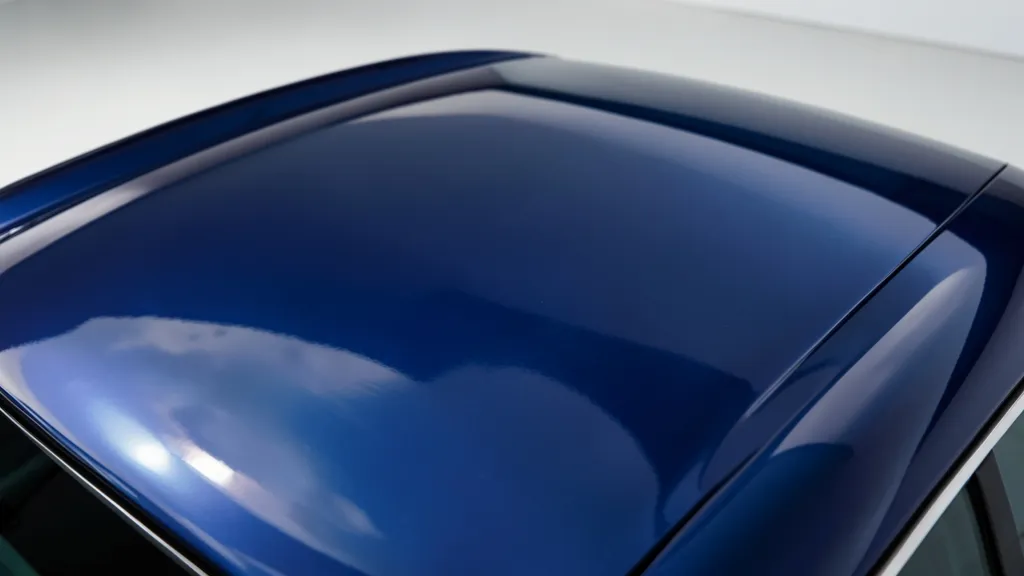
Wax gives a temporary shine, but it fades fast under Brandon’s relentless sun and humidity. Ceramic coating bonds with your paint at a molecular level, creating a hydrophobic barrier that repels water, resists UV damage, and keeps your vehicle looking showroom-fresh for years, not weeks.
Why Wax Falls Short in Florida’s Climate
Wax is a sacrificial layer—it melts away under heat, rain, and frequent car washes. In Brandon, where UV indexes stay high year-round, wax breaks down even faster, leaving paint exposed to oxidation and fading.
Even premium carnauba wax lasts 1-3 months. Synthetic sealants push that to 4-6 months, but neither offers the chemical resistance or hardness of a true nano-ceramic coating.
Applying wax over old, degraded layers traps contaminants and dulls your finish. Always start with a thorough decontamination wash before any protection.
How Ceramic Coating Works at a Molecular Level
Our ceramic coatings use SiO2 (silicon dioxide) and other nano-ceramic polymers to form a semi-permanent bond with your clear coat. This creates a hydrophobic surface that beads water and repels dirt, pollen, and road grime.
The cured coating achieves a 9H hardness rating on the pencil scale, resisting light scratches and swirl marks far better than wax or sealants ever could.
Ceramic Coating vs. Wax: A Side-by-Side Comparison
The differences go beyond longevity. Ceramic coatings enhance gloss, depth, and clarity in ways wax simply can’t replicate. They also provide superior protection against bird droppings, bug splatter, and industrial fallout.
For Brandon drivers, the biggest advantage is UV resistance. Ceramic coatings block 99% of harmful UV rays, preventing paint oxidation and color fading that’s all too common in our sunny, humid climate.
| Feature | Ceramic Coating | Wax |
|---|---|---|
| Longevity | 2-5+ years | 1-3 months |
| UV Protection | 99% blockage | Minimal |
| Hardness (Pencil Scale) | 9H | B-HB |
| Hydrophobic Properties | Extreme water beading | Moderate beading |
| Chemical Resistance | High (pH 2-12) | Low |
| Gloss Enhancement | Deep, mirror-like finish | Temporary shine |
| Maintenance | Low (self-cleaning effect) | High (frequent reapplication) |
The Role of Paint Correction Before Coating
Ceramic coating amplifies your paint’s condition—flaws won’t disappear, they’ll be locked in. That’s why we always start with paint correction: a multi-step polishing process to remove swirls, scratches, and oxidation.
In Brandon, where dust and pollen are constant, a thorough paint correction ensures your coating adheres to a flawless surface. This step is non-negotiable for a showroom-quality finish.
If your car has heavy water spots from our hard water, a light compounding step may be needed before polishing. Ask us about our paint correction packages.
What to Expect During and After Application
Ceramic coating application is a meticulous, multi-day process. We start with a deep clean, decontamination, and paint correction (if needed), followed by the coating application in a dust-controlled environment.
Curing takes 24-48 hours, during which your vehicle must stay dry. Once fully cured, you’ll notice water beading immediately, but the full hydrophobic effect develops over 1-2 weeks.
For the first 7 days, avoid automatic car washes, bird droppings, and harsh chemicals. Hand washing with a pH-neutral soap is safe after 48 hours.
Ceramic Coating Maintenance: Keeping It Like New
Unlike wax, ceramic coatings don’t require monthly reapplication. However, regular maintenance ensures longevity. We recommend a pH-neutral wash every 2 weeks and a ceramic-boosting spray every 3-6 months.
For Brandon’s pollen season, a quick rinse with the two-bucket method keeps your coating performing at its best. Avoid wax-based products—they can leave residues that dull the hydrophobic effect.
Ceramic Coating Care Essentials
- Wash with pH-neutral car soap only
- Use a microfiber wash mitt and separate drying towel
- Apply a ceramic-boosting spray every 3-6 months
- Avoid automatic car washes with harsh brushes
- Remove bird droppings and bug splatter immediately
Beyond Paint: Full-Vehicle Ceramic Protection
Paint isn’t the only surface that benefits from ceramic technology. We offer ceramic coatings for wheels, brake calipers, and even glass. Wheel coatings resist brake dust and make cleaning a breeze.
For interiors, ceramic protection on leather, vinyl, and plastics repels stains and UV damage—ideal for Brandon’s sunny days. Many of our clients in Valrico and Riverview opt for full-vehicle protection packages.
Pairing ceramic coating with paint protection film (PPF) gives ultimate defense against rock chips and scratches. PPF handles physical impacts, while ceramic coating adds gloss and chemical resistance.
Is Ceramic Coating Right for Your Vehicle?
Ceramic coating is a smart investment for daily drivers, show cars, and fleet vehicles. It’s especially valuable in Brandon, where sun, humidity, and road debris take a toll on paint.
If you’re considering a coating, think about your goals: longevity, ease of maintenance, and protection. For older vehicles with heavy paint damage, paint correction costs may factor into your decision. Request a quote to explore your options.
Ceramic coatings work on vehicles of any age, as long as the paint is in good condition after correction. We’ve restored and protected classics and daily drivers alike across Tampa and Bloomingdale.
How to Prepare Your Car for Ceramic Coating
Proper prep is 90% of a perfect ceramic coating result.
- 1Deep Clean and Decontaminate
Start with a foam cannon wash to remove loose dirt, followed by a clay bar treatment to pull embedded contaminants from the paint.
- 2Inspect for Paint Imperfections
Check for swirl marks, scratches, or oxidation. Note areas that may need correction before coating.
- 3Perform Paint Correction (If Needed)
Use a dual-action polisher with the appropriate compound and polish to restore clarity and gloss. This step is critical for a flawless finish.
- 4Final Surface Prep
Wipe down the vehicle with an isopropyl alcohol solution to remove any remaining oils or residues. This ensures maximum adhesion.
- 5Apply Coating in a Controlled Environment
Work in a dust-free area, applying the coating in small sections with a foam applicator. Allow proper flash time between layers if multiple coats are needed.
- 6Cure and Protect
Keep the vehicle dry and away from direct sunlight for 24-48 hours. Avoid washing or exposing it to moisture during this period.
Frequently Asked Questions
How long does ceramic coating last in Brandon’s climate?
With proper care, a professional-grade ceramic coating lasts 2-5+ years in Brandon. Our humidity and UV exposure can slightly reduce longevity compared to cooler climates, but regular maintenance extends its life.
Can ceramic coating be applied over existing wax or sealant?
No. Wax or sealant must be fully removed before applying ceramic coating. These products create a barrier that prevents the coating from bonding to the paint, leading to premature failure.
Will ceramic coating prevent all scratches and chips?
Ceramic coating resists light scratches and swirl marks due to its 9H hardness, but it won’t stop rock chips or deep scratches. For full protection against physical damage, consider pairing it with paint protection film (PPF).
How does ceramic coating perform in heavy rain, like during Brandon’s summer storms?
Ceramic coating excels in rain. Its hydrophobic properties cause water to bead and sheet off, reducing water spots and making drying easier. After a storm, a simple rinse often restores the beading effect.
Do you offer ceramic coating for vehicles in areas near Brandon, like Valrico or Tampa?
Yes, we serve Brandon and the surrounding areas, including Valrico, Seffner, Riverview, Bloomingdale, and Tampa. Our mobile team can also arrange on-site services for fleet or commercial vehicles.
Can I apply ceramic coating myself, or should I hire a professional?
While DIY ceramic coating kits exist, professional application ensures proper prep, even coverage, and optimal bonding. Mistakes in prep or application can lead to streaking, poor adhesion, or reduced longevity. For optimal results, rely on an experienced installer.